
Engineered for Portability: Docker & Kubernetes Services in Bangalore
We containerize enterprise applications with Docker and orchestrate microservices at scale with production Kubernetes (EKS, AKS, GKE). Eliminate 'works on my machine' issues, enable auto-scaling, and guarantee multi-cloud portability.

Complete Container Engineering Capabilities
Architecting resilient, self-healing, and secure container platforms.

Enterprise Application Containerization
Packaging legacy Java, .NET, Node.js, and Python apps into lightweight, secure, multi-stage Docker containers with minimal attack surfaces.
Explore Enterprise Application Containerization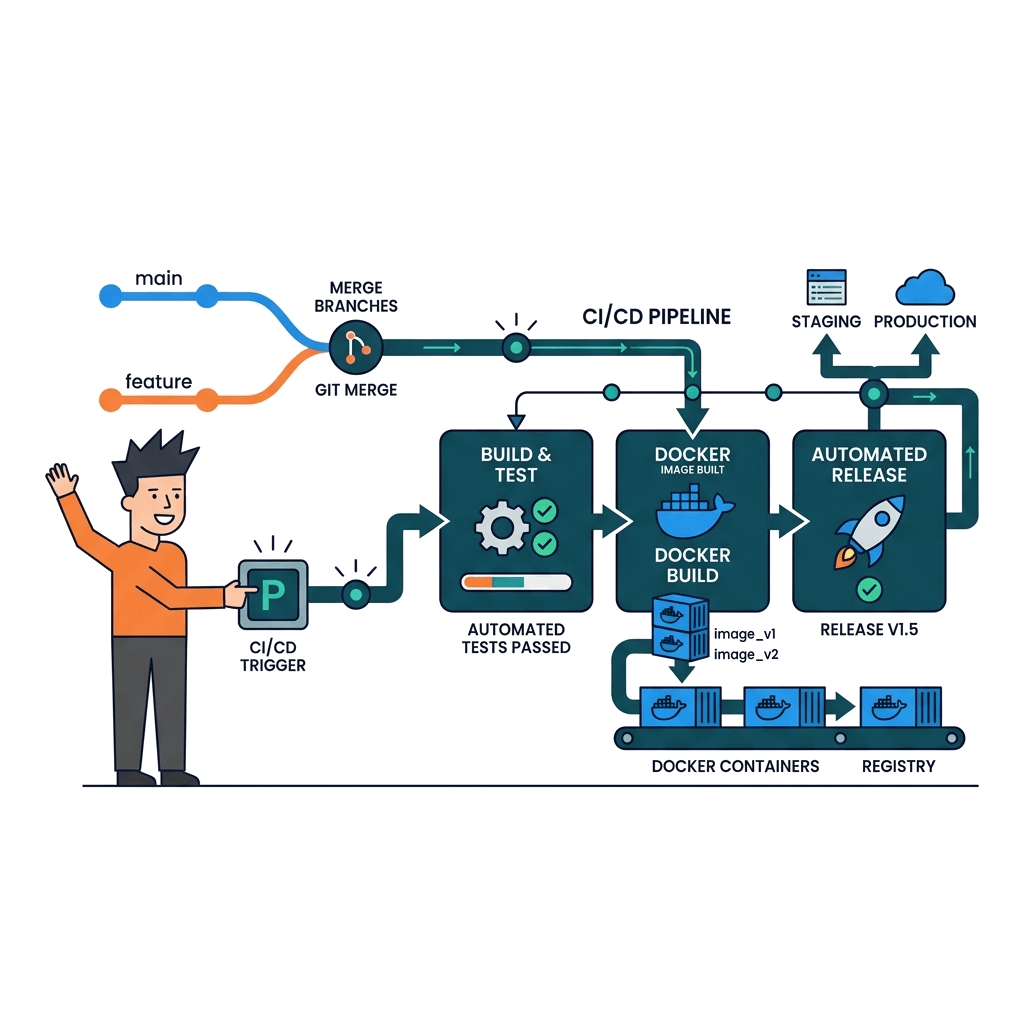
Production Kubernetes Cluster Architecture
Deploying multi-AZ clusters on Amazon EKS, Azure AKS, or Google GKE with automated node auto-scaling, CNI networking, and RBAC security.
Explore Production Kubernetes Cluster Architecture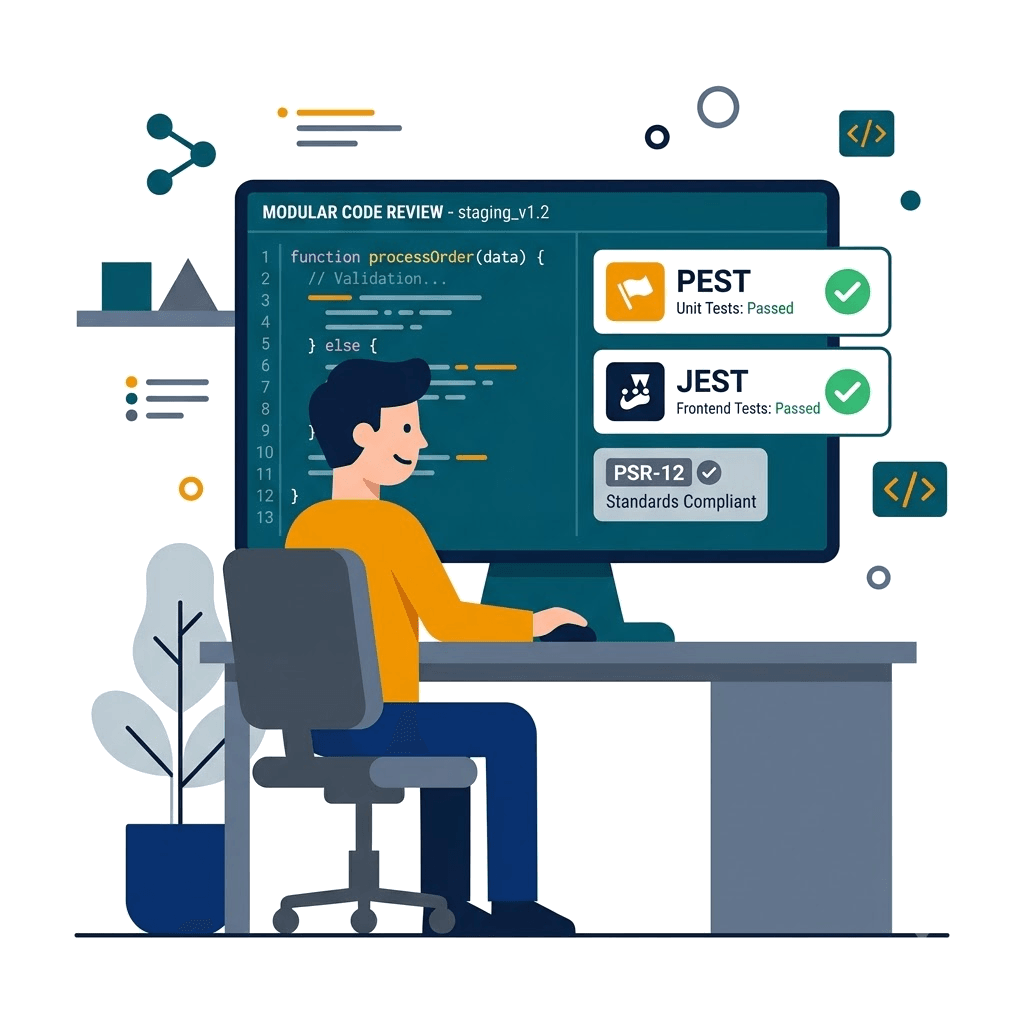
Helm Chart & Kustomize Package Management
Authoring modular Helm charts and Kustomize overlays managing configuration variations across dev, staging, and production environments.
Explore Helm Chart & Kustomize Package Management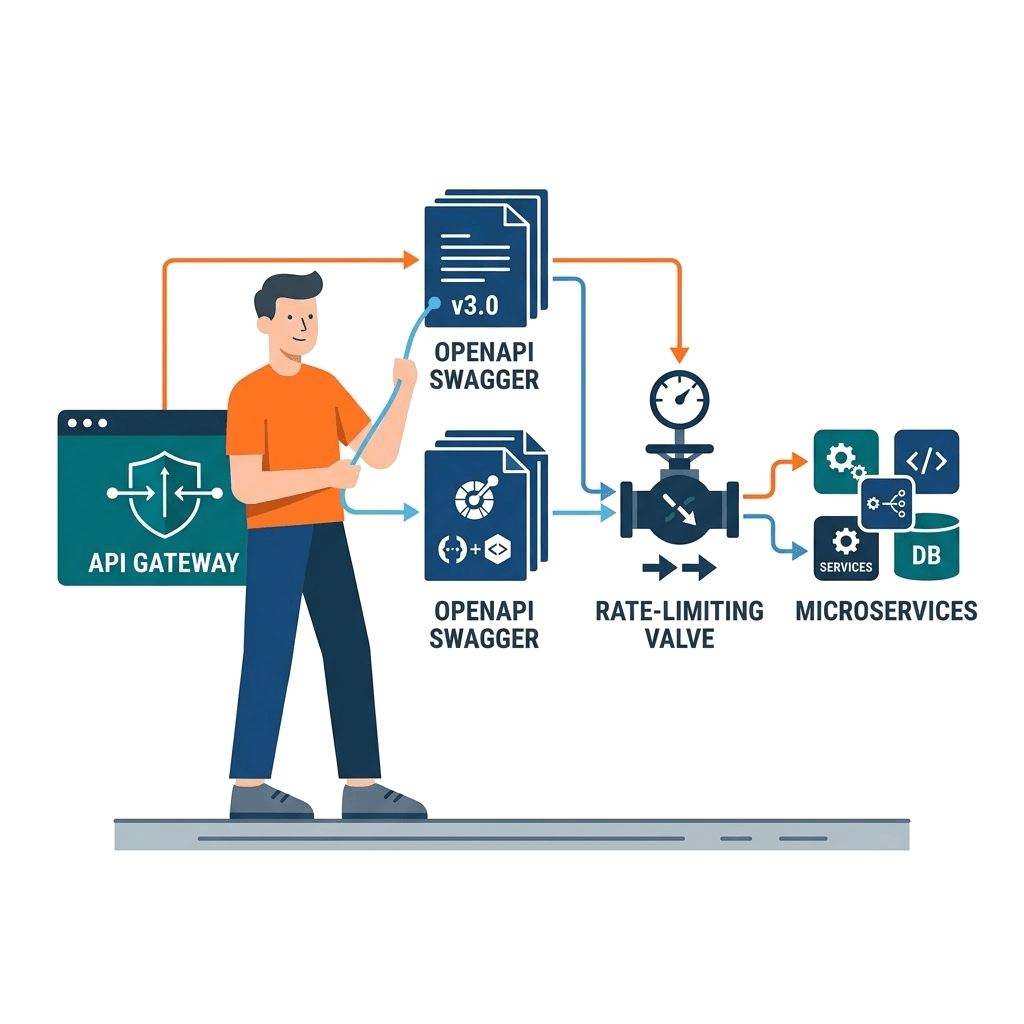
Service Mesh Architecture (Istio / Linkerd)
Implementing mutual TLS (mTLS) encryption, traffic splitting, distributed tracing, and advanced ingress routing across microservices.
Explore Service Mesh Architecture (Istio / Linkerd)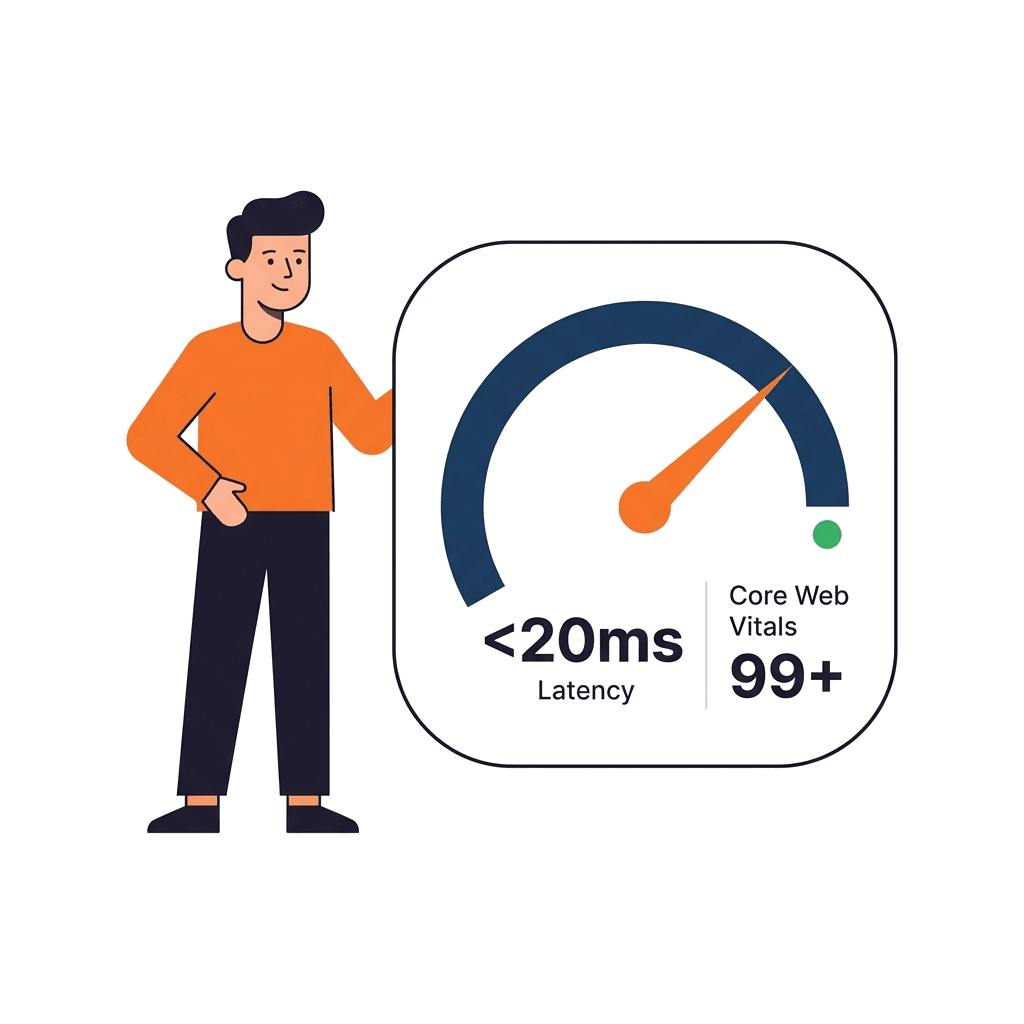
Horizontal & Vertical Pod Autoscaling
Configuring HPA and Karpenter to elastically scale pods and compute worker nodes in response to real-time traffic spikes within seconds.
Explore Horizontal & Vertical Pod Autoscaling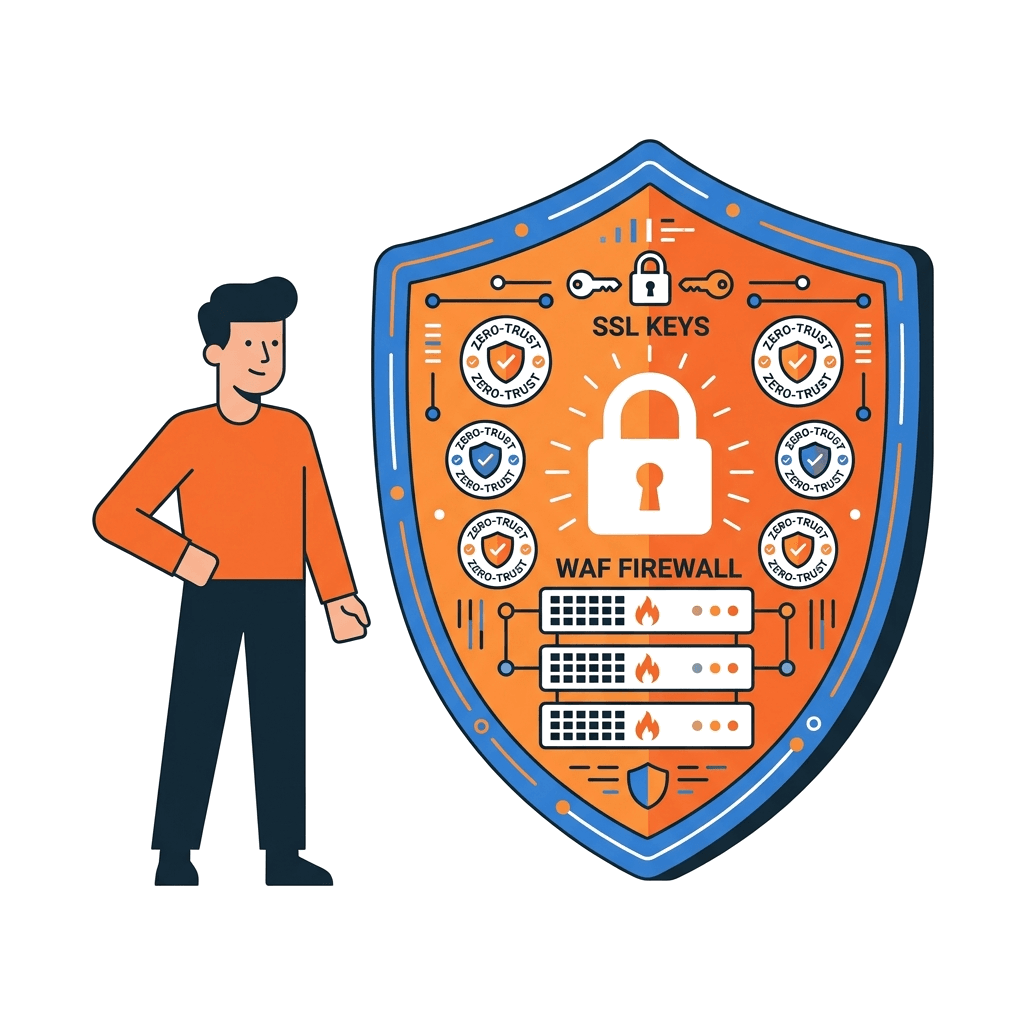
Container Security & Vulnerability Guardrails
Enforcing read-only root filesystems, non-root user execution, Trivy image scanning, and Kyverno / OPA Gatekeeper policy enforcement.
Explore Container Security & Vulnerability GuardrailsOur Container Technology Stack
Container runtimes, orchestrators, package managers, and networking meshes.
Orchestration & Clouds
Runtimes & Packaging
Networking & Mesh
Security & Observability
Our Containerization Lifecycle
A systematic 6-step roadmap transforming monoliths into scalable cloud-native containers.
Application Profiling & Dependency Mapping
Analyzing application statefulness, shared memory dependencies, filesystem caching, and network ports.
Multi-Stage Dockerfile Optimization
Authoring minimal, non-root Dockerfiles with multi-stage builds reducing container image sizes below 100MB.
Kubernetes Cluster Provisioning (IaC)
Deploying production EKS, AKS, or GKE clusters with Terraform, automated OIDC identity, and CNI networking.
Helm Chart & Deployment Manifests
Building modular Helm charts covering Deployments, StatefulSets, Services, Ingress, and ConfigMaps.
Autoscaling, Ingress & Security Policies
Configuring Horizontal Pod Autoscaler (HPA), Karpenter node provisioning, TLS certificates, and NetworkPolicies.
GitOps Continuous Delivery & Observability
Connecting ArgoCD for declarative automated releases and configuring Prometheus/Grafana Kubernetes dashboards.
Enterprise Container Standards
Ultra-compact image sizes, zero-root execution, and rapid elastic autoscaling.
Sub-100MB Minimal Container Images
Utilizing Alpine and Distroless base images with multi-stage builds eliminating bloated dependencies.
Zero Non-Root Container Execution
Enforcing strict non-root user execution (`USER 10001`) preventing container escape vulnerabilities.

Sub-30s Pod Autoscaling Response
Configuring Horizontal Pod Autoscaling (HPA) spinning up additional pods within 30 seconds of load spikes.
Strict NetworkPolicy Micro-Segmentation
Restricting inter-pod network communication so compromised microservices cannot probe database tiers.
Liveness & Readiness Health Probes
Configuring graceful health probes ensuring Kubernetes never routes traffic to starting or unhealthy pods.
Automated Ephemeral Pod Graceful Shutdown
Implementing SIGTERM handling allowing running database transactions to complete before pod eviction.
Featured Containerization Case Study
Containerizing a high-concurrency e-commerce platform onto Amazon EKS with Helm and Istio.
Amazon EKS Microservices Migration for E-Commerce Giant
Decomposed a monolithic Java enterprise application into 24 containerized microservices running on Amazon EKS. Implemented Helm charts, Istio mTLS service mesh, and Karpenter autoscaling, handling a 400% Black Friday traffic surge with zero dropped orders.
Why Partner With Render Infotech?
Over 16+ years and 500+ successful deployments, we have established an engineering reputation in Bangalore for technical rigor, architectural transparency, and zero compromise on code quality.
- Dedicated In-House Engineers: Direct communication with senior specialists, not junior offshore intermediaries.
- 100% IP & Code Ownership: Full source code, database structures, and copyright ownership transferred upon milestone sign-off.
- Performance SLA Guarantee: Contractually committed speed benchmarks, security verification, and high-availability SLAs.
- Transparent Weekly Sprints: Live staging environments, progress demos, and clear milestone accounting.
Enterprise Performance Commitment
Every project we engineer is guaranteed to pass rigorous vulnerability scans, mobile responsiveness checks, and automated regression testing prior to production launch.
Bangalore Engineering Center
Kalyan Nagar, Bengaluru — Local Support & Global Standards
Docker & Kubernetes Containerization Services FAQs
Answers to common technical, pricing, and timeline questions regarding our Docker & Kubernetes Containerization Services services.
Ready to Architect Your Solution?
Connect directly with our senior technical architects in Bangalore for an architectural consultation, technology recommendation, and formal scope estimate within 24 hours.
Request a Docker & Kubernetes Containerization Services Proposal
Fill out your technical brief below to receive an architectural estimate within 24 hours.