
Distributed Systems & Microservices in Bangalore
Build fault-tolerant cloud networks. Render Infotech engineers high-throughput microservices, event-driven Kafka message clusters, active-active multi-region databases, and gRPC frameworks.
Tailored Web Platforms Engineered for Business Scale
From event-driven Kafka message streams to active-active databases, we build resilient, secure, and modern distributed systems.
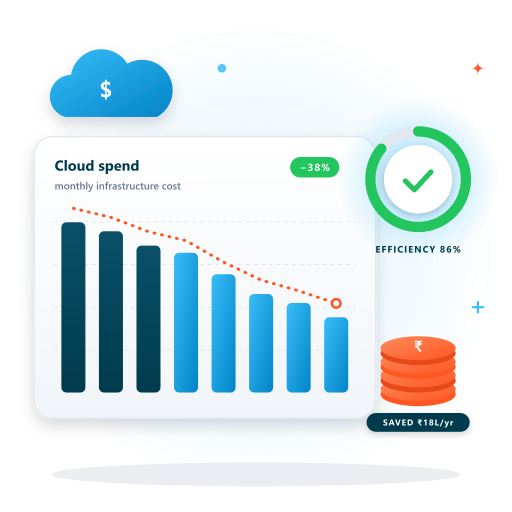
Distributed Microservices
Designing decoupled microservices in Go and Java Spring Boot, communicating asynchronously via gRPC protocols for sub-15ms response latency.
Explore Microservices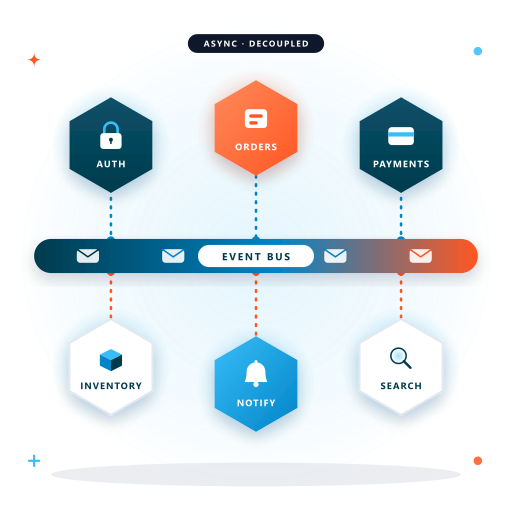
Event-Driven Kafka Messaging
Setting up Apache Kafka event buses and partition topics to dispatch bulk messages, balance data streams, and coordinate backend components.
Learn Kafka Event Streams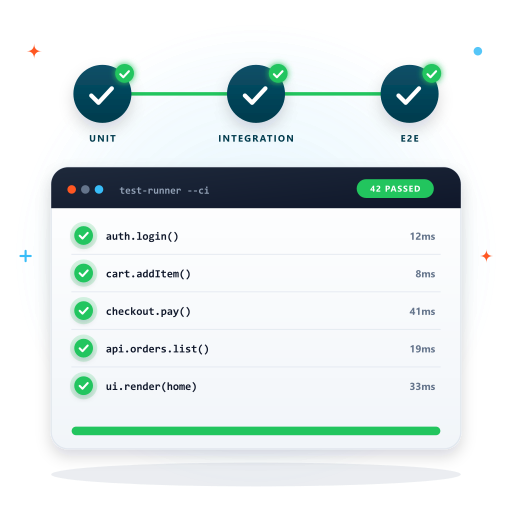
Consensus & Raft Nodes
Implementing state consensus algorithms (Raft, Paxos) to validate node election updates and guarantee system consistency during node dropouts.
Learn Consensus Protocols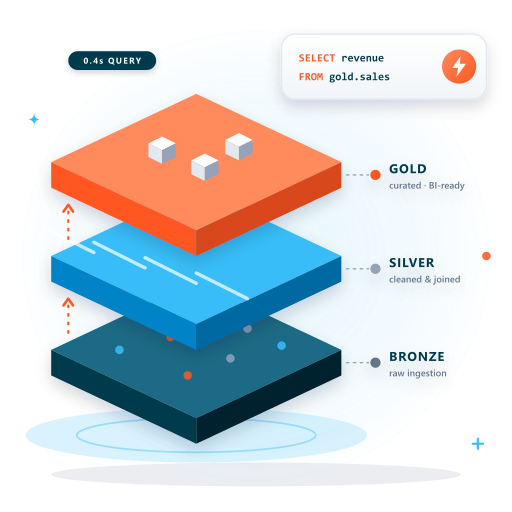
Active-Active Databases
Configuring multi-region PostgreSQL sharding and active-active clustering to balance write transactions and secure customer database files.
Learn Distributed Databases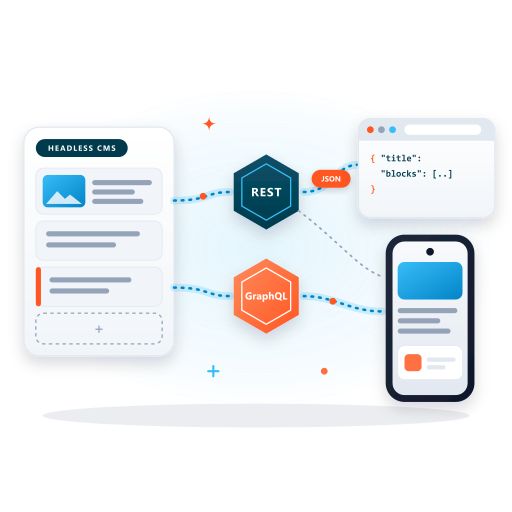
API Webhook Gateways
Building high-throughput gateway routes (Kong, Apigee) to handle client authentications, distribute system loads, and throttle endpoint calls.
Learn API Gateways
Real-Time Telemetry
Integrating distributed tracing (Jaeger, OpenTelemetry) alongside metrics monitors to track latency bottlenecks across node services.
Learn Telemetry ToolsDistributed Applications Tech Matrix
Our systems engineering team leverages event streaming, RPC frameworks, and Docker containerizations.
Event Messaging & RPC
Databases & Caching
DevOps & Telemetry
Distributed Application Development Services Provider
Render Infotech is a market leader offering reliable and scalable distributed application development services to clients across the globe. We serve all clients equally with same priority, no matter how small or big the project is.
Our robust and cost-effective distributed application development services enable businesses to make the best use of resources and assist in efficient management of projects. We understand that higher productivity can only be achieved with systematic management and handling of resources and clients, and develop distributed application that fulfil this objective.
Distributed Systems Architecture
Render Infotech employs a talented pool of resources to work on client’s project to ensure smooth running of Software Development Cycle and on-time delivery of the project. Software development is carried out after meticulous planning with the client and tech team to discover all possible challenges that come in the way of development.
- Experts in Enterprise Java Beans, COM, DCOM, and CORBA
- Decoupled Go & Java Microservice Architectures
- Asynchronous Kafka & RabbitMQ message routing
- Eventual Database consistency validation rules
Distributed Engineering Standards
We maintain high system scalability and uptime indices across all distributed environments.
Asynchronous message queues
Decoupling system services with partition topics to prevent blocking operations.
Raft Consensus loops
Ensuring server synchronization and automated node election during hardware dropouts.
Active-Active Database replication
Distributing writing transactions across multiple regions to prevent database locks.
gRPC Protobuf schemas
Accelerating inter-service communication protocols for sub-15ms node response times.
Jaeger tracing tools
Tracking request offsets across microservice services to trace latency issues.
Docker Kubernetes setup
Automated container health checking and load balancing across cluster nodes.
Distributed Engineering Engagement Models
Choose an engagement structure suited to your infrastructure scale, timelines, and systems architecture.
Dedicated Systems Squad
Full-time senior Golang, Java, and Kafka infrastructure architects acting as an extension of your DevOps team.
Migration Projects
Structured delivery scopes with pre-defined milestones, perfect for moving monoliths to microservices.
Managed SLA Support
Continuous systems support covering database optimization, core updates, and active cluster health checks.
Why Choose Render Infotech for Distributed Systems?
These industry experts have mastery in using technologies such as Enterprise Java Beans, RMI, COM, DCOM, and CORBA, which makes them proficient for building feature-rich software.
- Solution Architects with experience in high-throughput database sharding
- Clean Decoupled Microservices setups (Go & Java Spring Boot)
- Experienced Event Streaming Developers (Kafka & RabbitMQ)
- Complete Ownership of Codebase and Server Configurations
- Predictable Agile Deliveries Mapped to Direct Business Value
Systems Compliance Security
We ensure all distributed databases, webhook pipelines, and microservice authentications comply with strict SOC-2 guidelines.
Synchronize your microservice deployments automatically across AWS GovCloud, Azure, or private setups.
Distributed Application Delivery Flow
Our structured project flow ensures strict quality and compliance checks at each deployment stage.
Audits & Requirements
Auditing data sharding parameters, message throughput, and user roles.
Architecture Design
Mapping ERDs, microservice schemas, consensus parameters, and Kafka topologies.
Microservice Coding
Writing custom Go backend components, setting up API sync, and configuring telemetry.
Deployment & QA
Running security checks, testing speed parameters, and cluster rollout.
Distributed Systems FAQs
Explore common answers about high-throughput microservices, database sharding, and event queues.
Event streaming systems like Apache Kafka allow microservices to communicate asynchronously using partition queues, ensuring system components scale independently without blocking execution threads.
We implement state consensus protocols (like Raft or Paxos) alongside distributed caching layers and multi-region database sharding to guarantee eventual consistency and prevent data conflicts.
Scale Safely with Distributed Networks
Ready to deploy a secure distributed database or microservice architecture? Connect with our systems engineers today for a technical consultation.
- High-throughput database sharding specialists
- Golang, Java, & Kafka Infrastructure Architects
- 24/7 SLA Technical Monitoring Retainers
- Complete Ownership of Codebase and Configuration
Request Systems Proposal
Fill out the form below to connect with our systems engineering division.